

Lessons. News. Reviews.





How to improve your chord changes
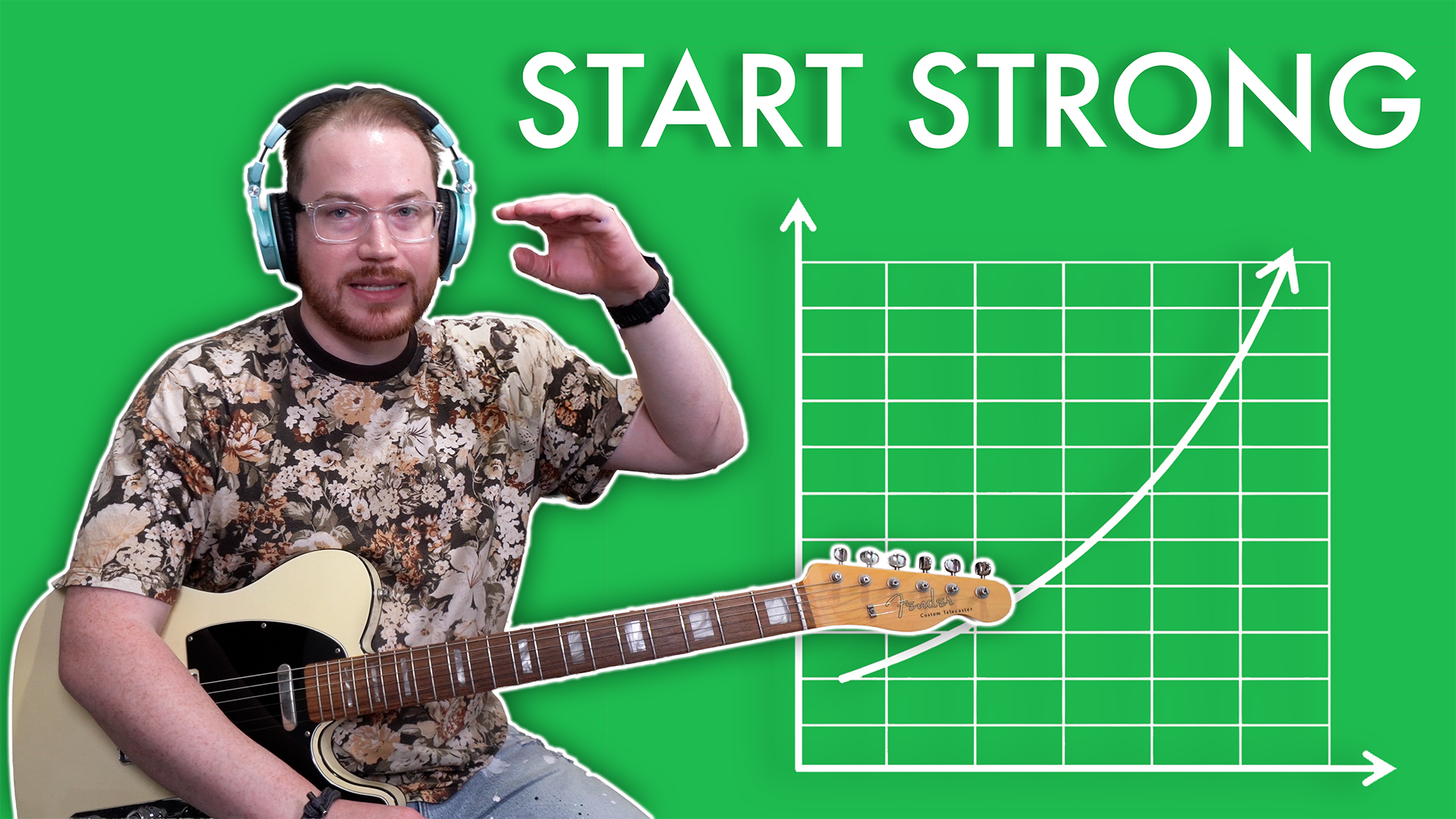
Here’s how beginner guitarists should practice changing chords in order to get better at the guitar.
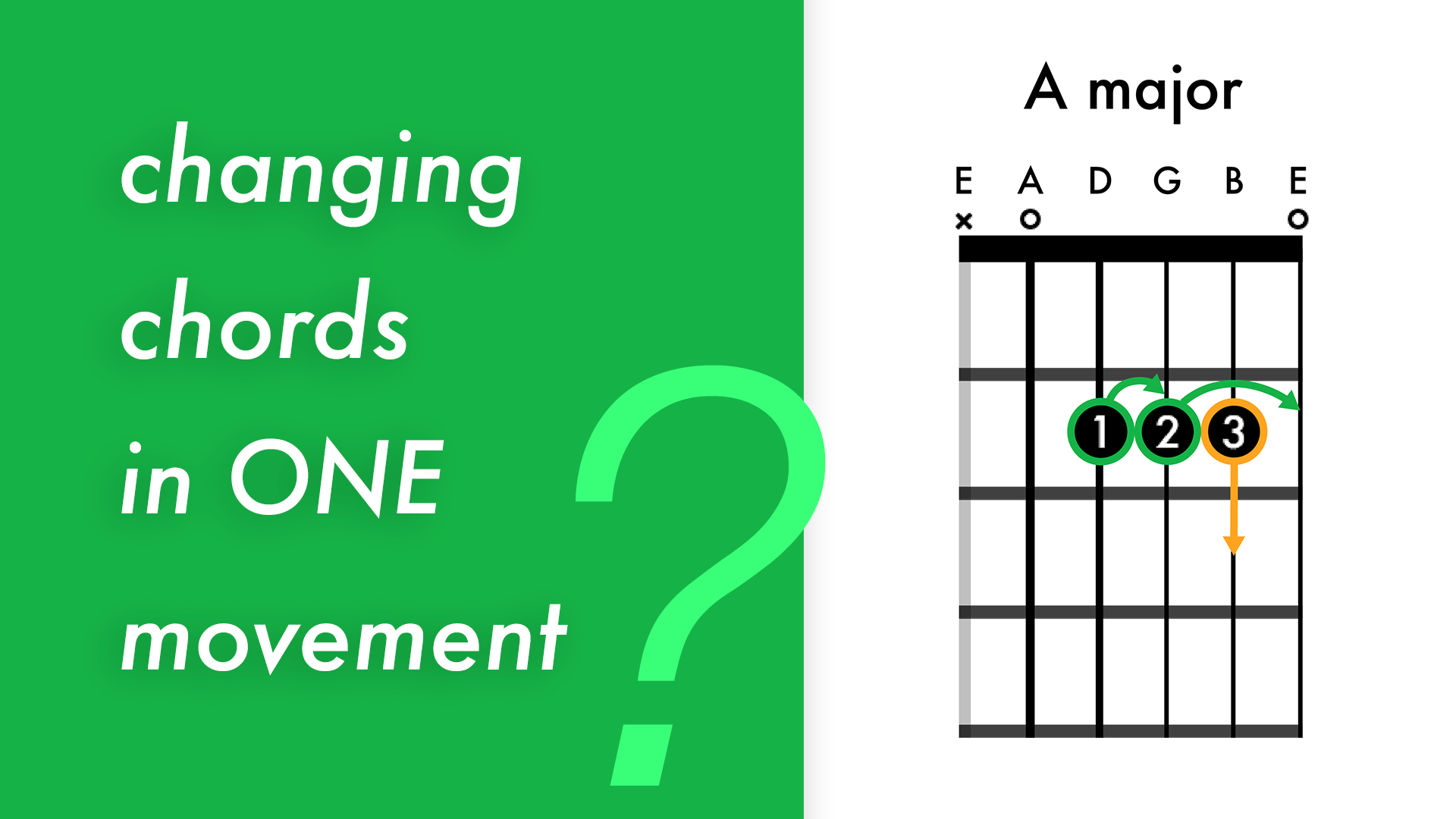
1 - Hold a chord shape tightly with good technique. 2 - Relax your grip while leaving your fingers on the strings. 3 - Grip the chord tightly again. 4 - Repeat this process moving your fingers further and further away from the strings each time.
It can't be too simple
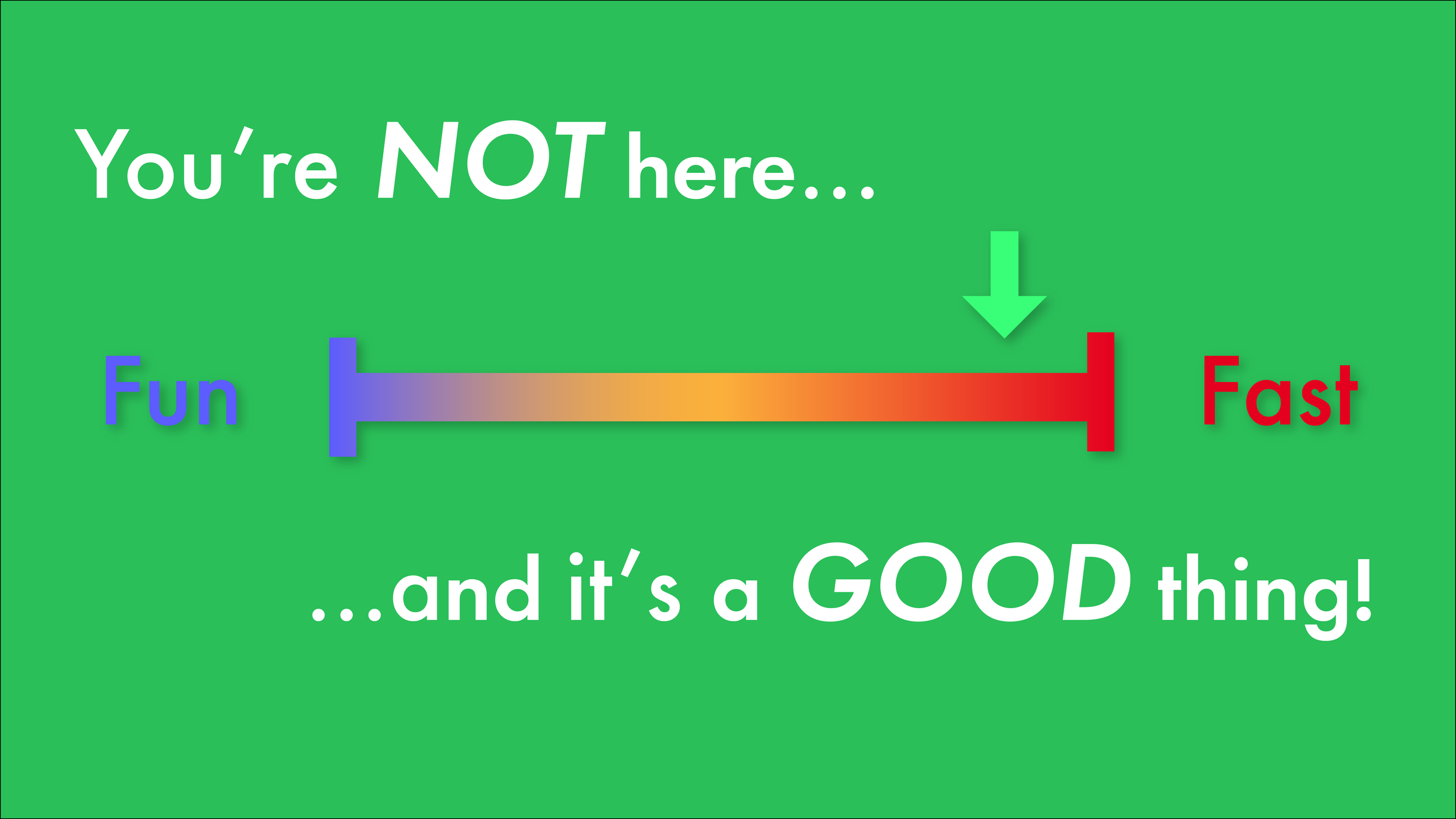
Over the years I’ve been teaching guitar, one thing I’ve seen consistently is students trying to practice something that’s too difficult for them simply because they think they should be able to do it. Who’s saying you should be able to do it? There’s no shame in simplifying something. The goal is for you to become a better player. You should simplify something to the extent that it will help
How to practice effectively
When you’re learning the guitar, it’s important to remember that your objectives change as you begin to practice different things. If you’re judging your performance based on what success looks like in one area, when it requires a different metric of success, you can easily get discouraged. Even if you’re actually making excellent progress!
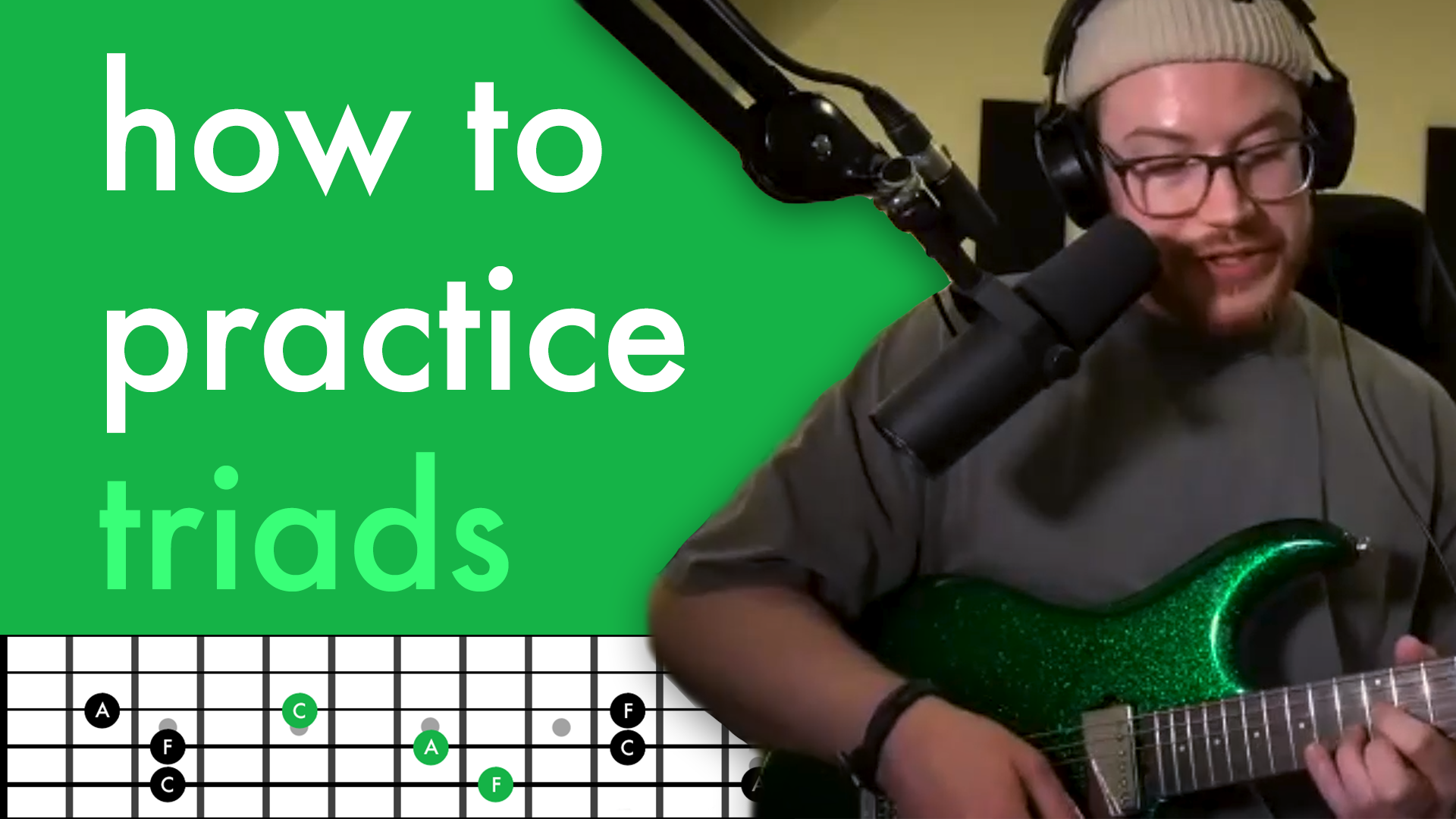
How to practice triads
If you don't understand what's happening from a musical point of view, then you have to come up with some kind of hack to explain to yourself why what you're doing works. You can either learn it properly and have an extensive understanding which will allow you to use the knowledge in any situation. Or, you can come up with your own explanation that is only applicable to one specific example.
How to practice the guitar in 60 seconds
When we’re trying to develop muscle memory or apply a new concept on the guitar, the objective is familiarity. If you aren’t able to practice for an extended period of time, try and fit in a few moments of practice throughout the day. Five minutes here, 10 minutes there, and maybe you’re only able to squeeze in 60 seconds. All of it is good. All of it will help you build familiarity.
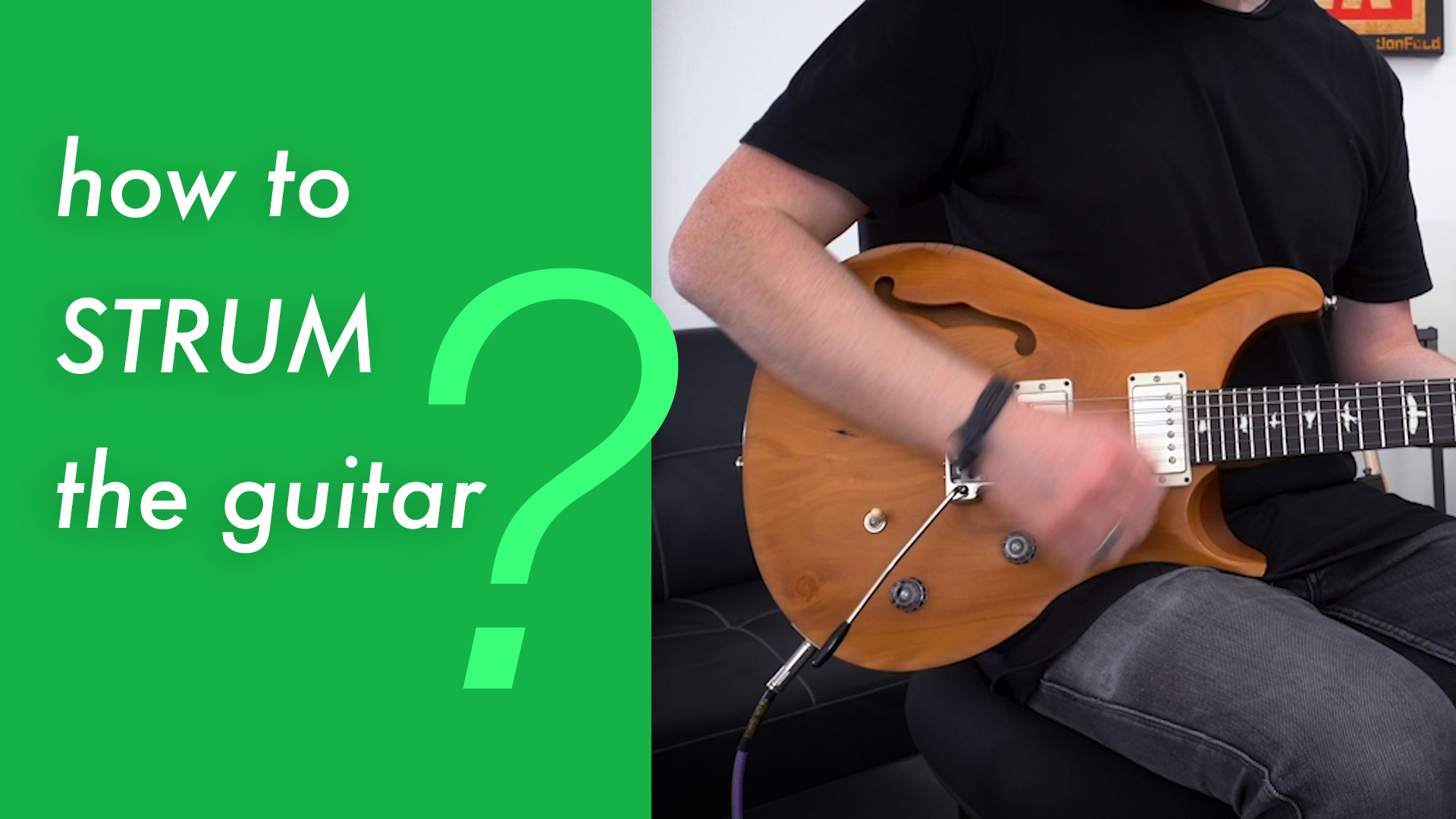
How to strum
Rhythm is one of the most important skills you can develop as a guitar player. When you strum, make sure you are moving from your elbow. The wrist shouldn’t move at all. Rather, the wrist is there to cushion the impact of hitting the strings in order to provide a smoother motion. Just like suspension on a car.
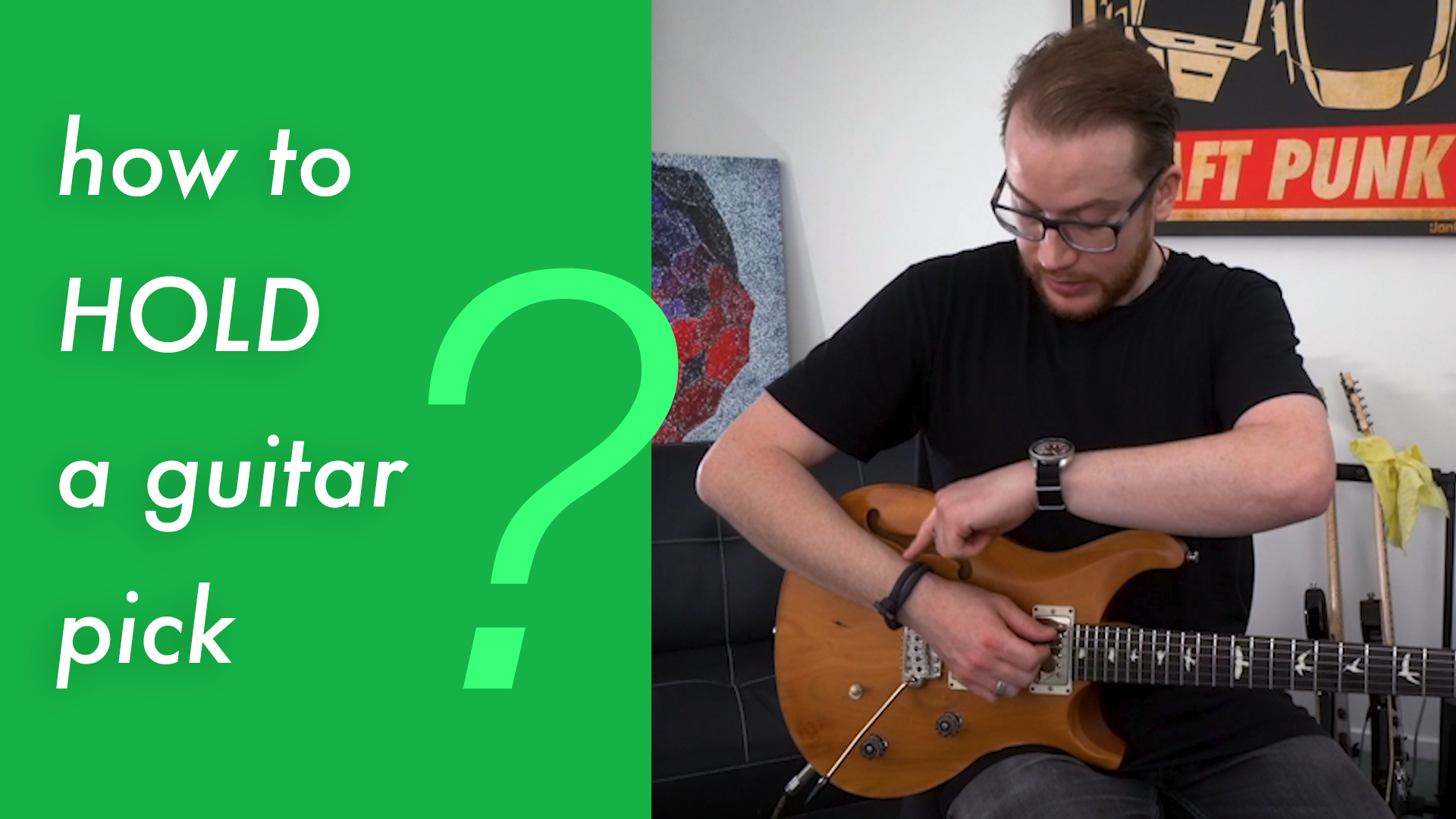
How to hold a guitar pick
How to hold a guitar pick: 1 - Imagine holding the pick like a key and putting it in a lock. 2 - The point of the pick should be at right angles to the direction of your thumb. 3 - Try and maintain a straight line from your elbow through your wrist to the point of your thumb. 4 - Make a fist, put it on the strings and relax it slightly.
A conversation about practice
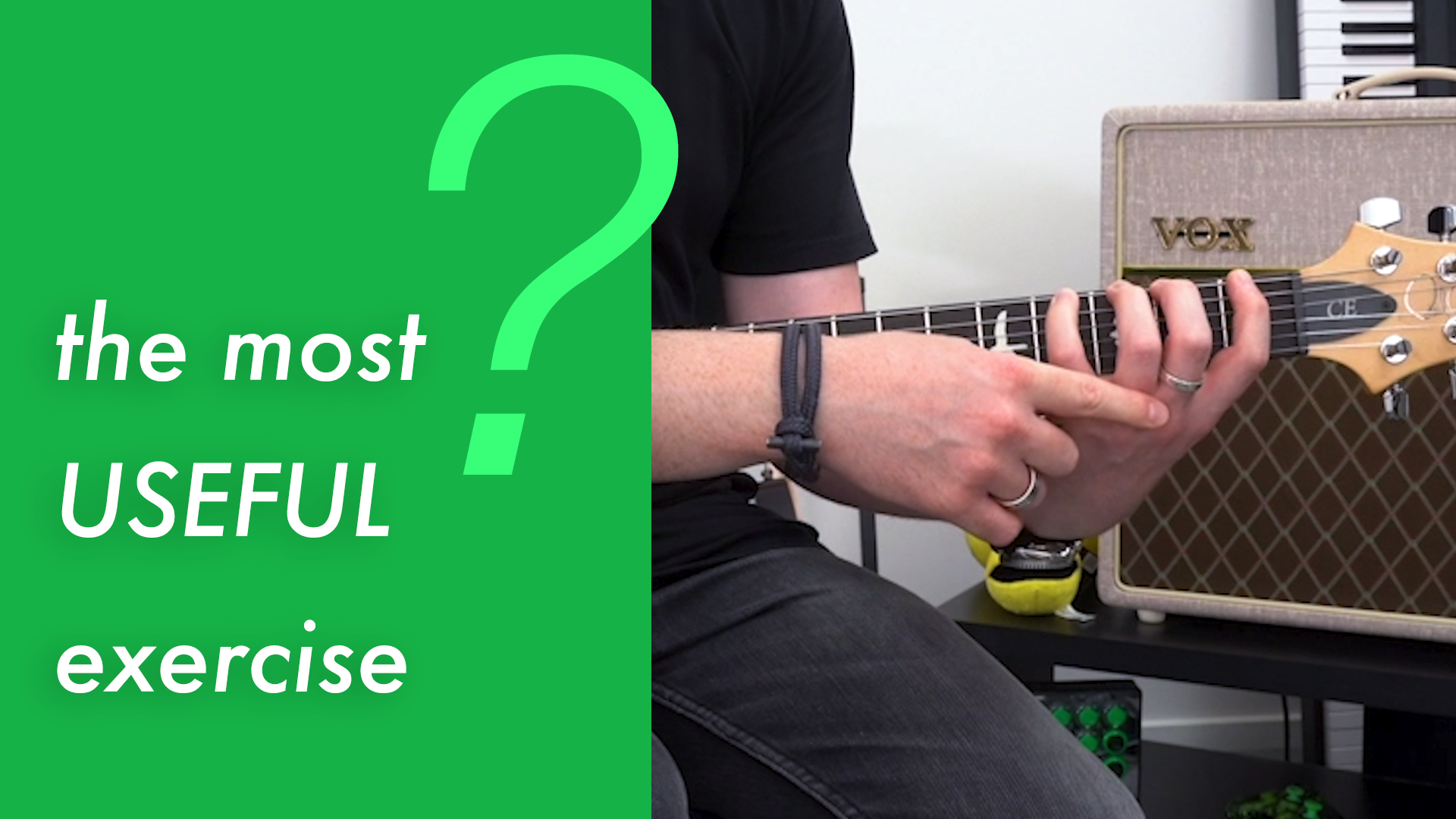
A common misconception students have when they start learning guitar is that in order to get better they have to spend more time physically playing the instrument. Ironically, when you’re starting out, your progress is more significantly affected by the time you don’t spend playing the guitar.
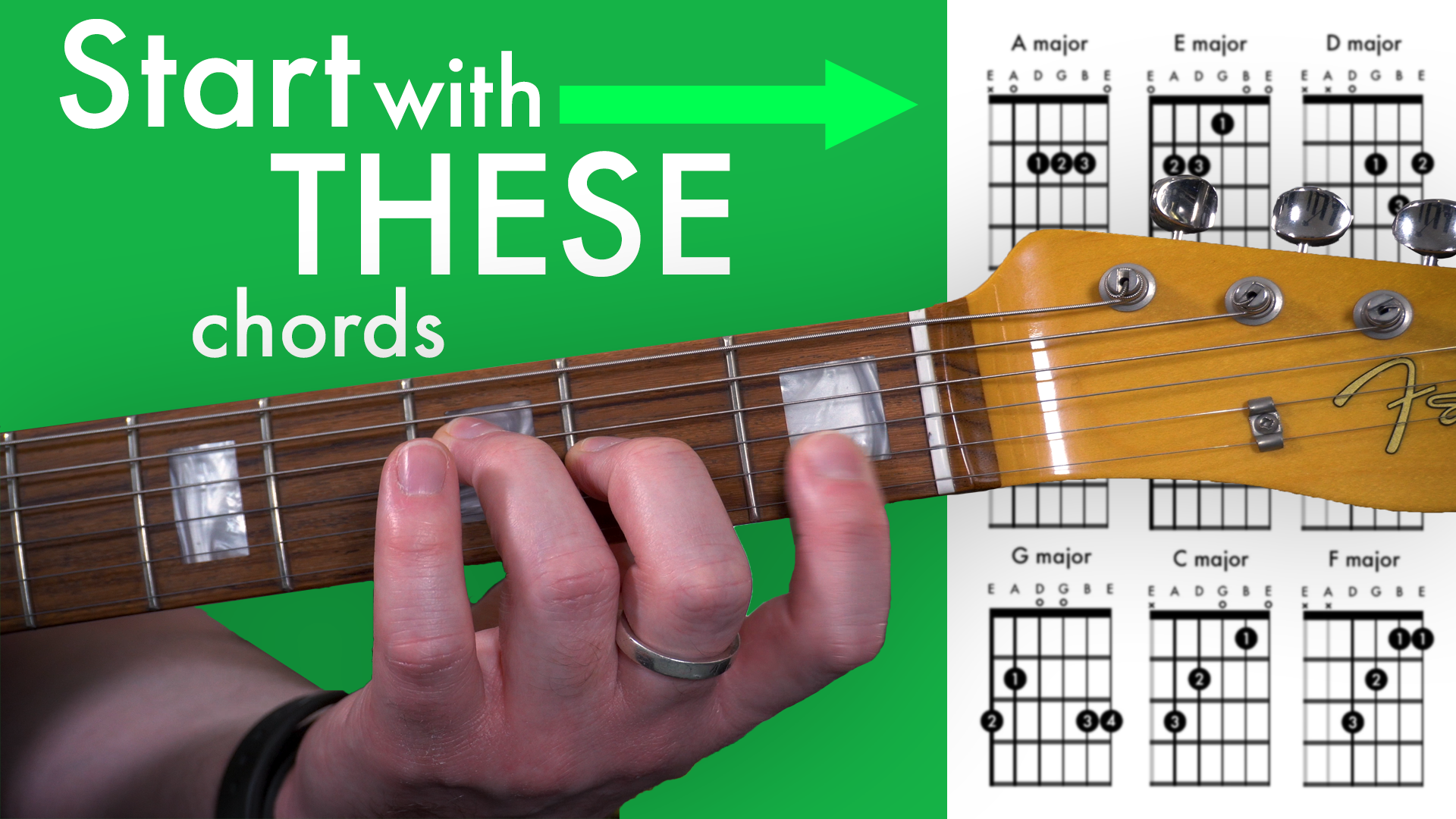
Learning your first chords
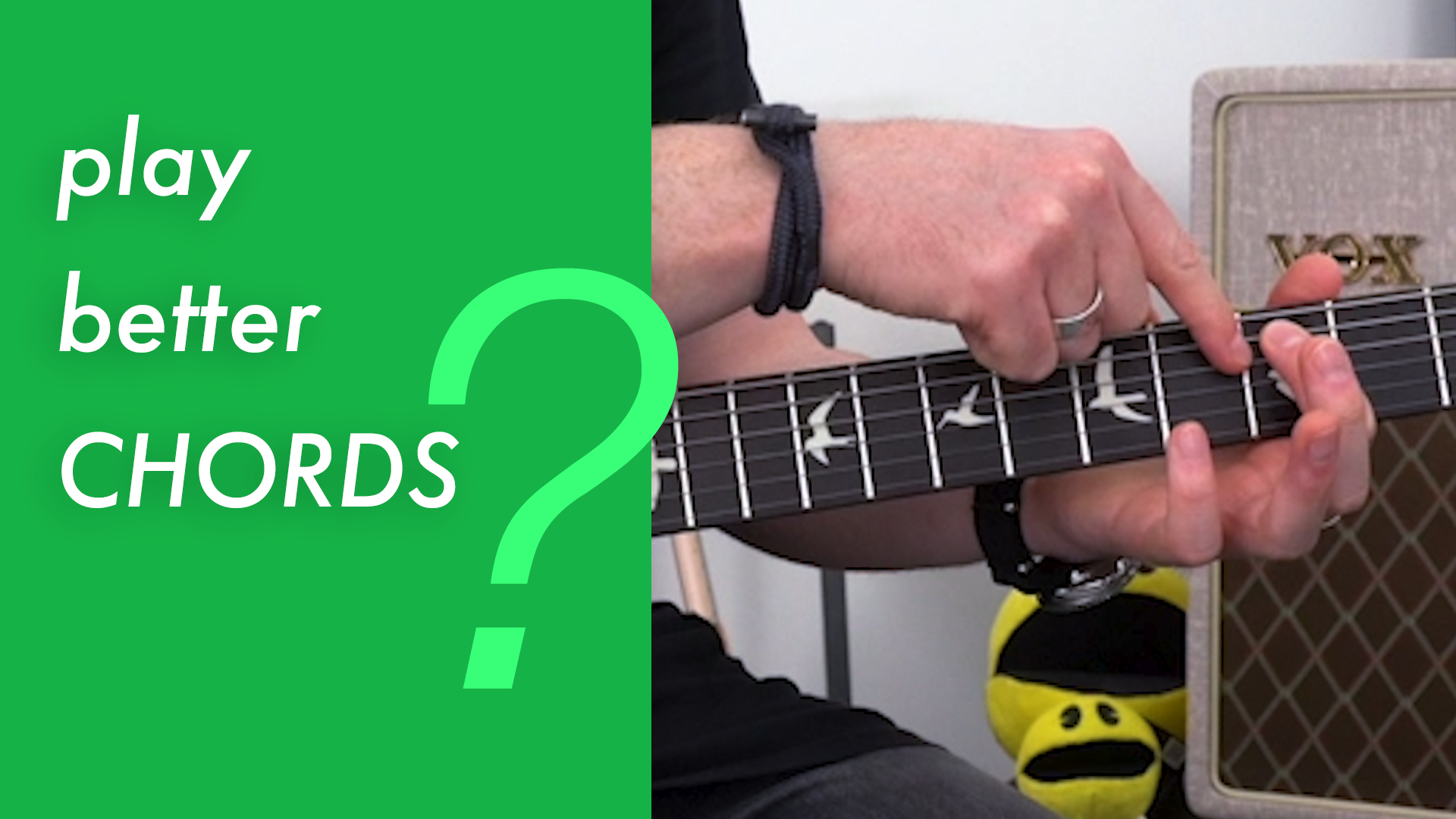
How to play better-sounding chords
There are three things we need to get right to play a good-sounding chord. If we do each of these things correctly, our chord will sound fantastic. If it doesn’t, we’re doing one of the three things wrong. To get great-sounding chords, make sure you: Push hard, use the tips of your fingers, and demonstrate good fretting position.
How to avoid discouragement while learning the guitar
I think every guitarist who’s honest with themselves will admit that they don’t always enjoy practising the guitar. Even though I love playing the instrument, guitar practice can sometimes be a little tedious.
If you’re having trouble finding the motivation to practice, that’s okay. It’s not an uncommon experience. And, it’s definitely not a sign that you’re not cut out to be a guitar player!
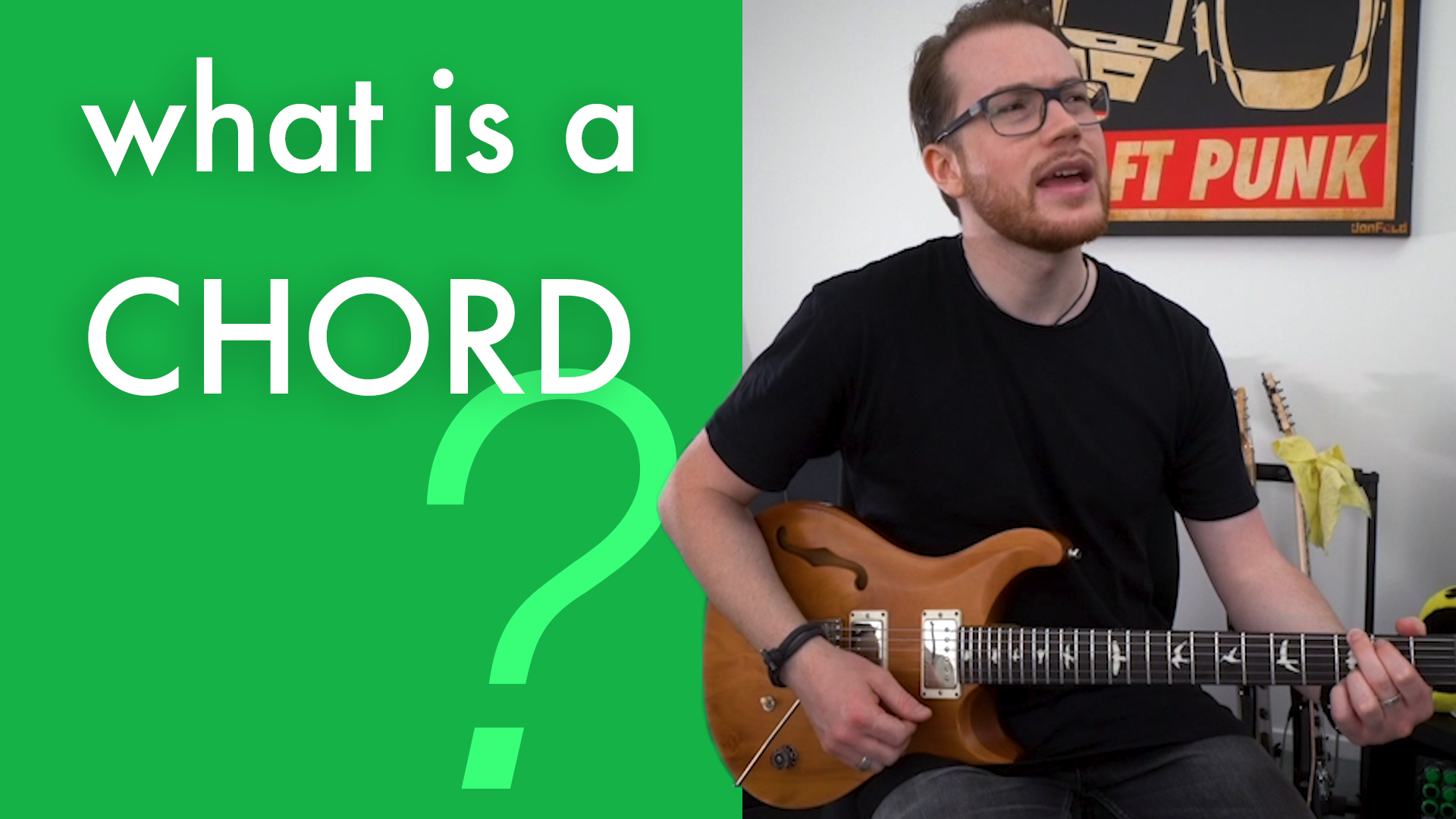
What is a chord?
A chord is a collection of three or more different notes played simultaneously. When we play a G major chord on the guitar, we are not playing a G major chord because of the particular shape we’re making with our fingers, but because the shape we are making with our fingers allows us to play the three notes (G B D) that, when combined together, make up a G major chord.
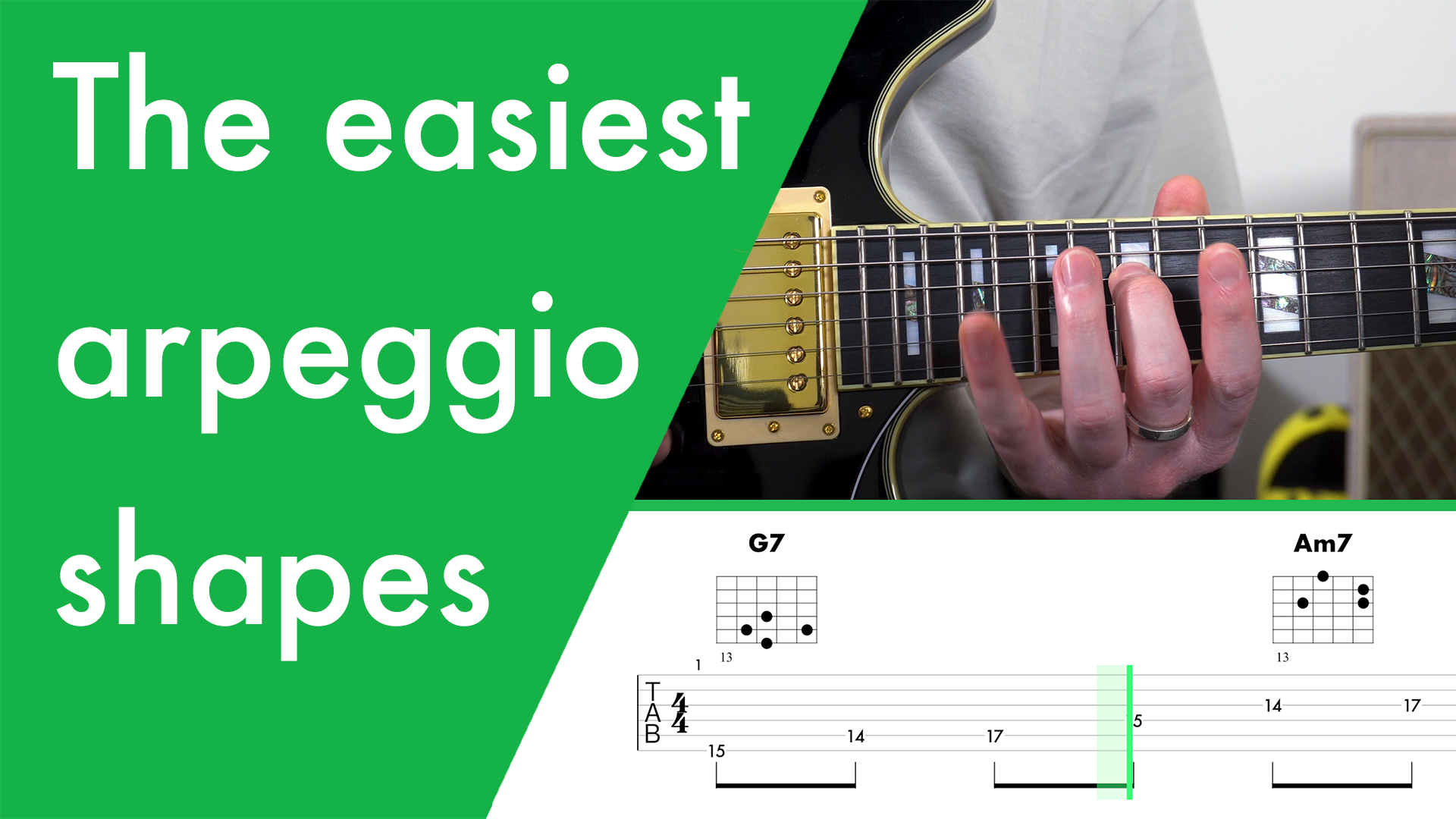
How to stack seventh arpeggios for full extensions
It can be a pretty intimidating idea to think that we have to remember seven different seven-note arpeggio shapes just to be able to play all the chords in the key.
Thankfully, there is a simple trick we can use that only requires us to know the single octave shape for four seventh-type arpeggios.
That’s a lot less intimidating.
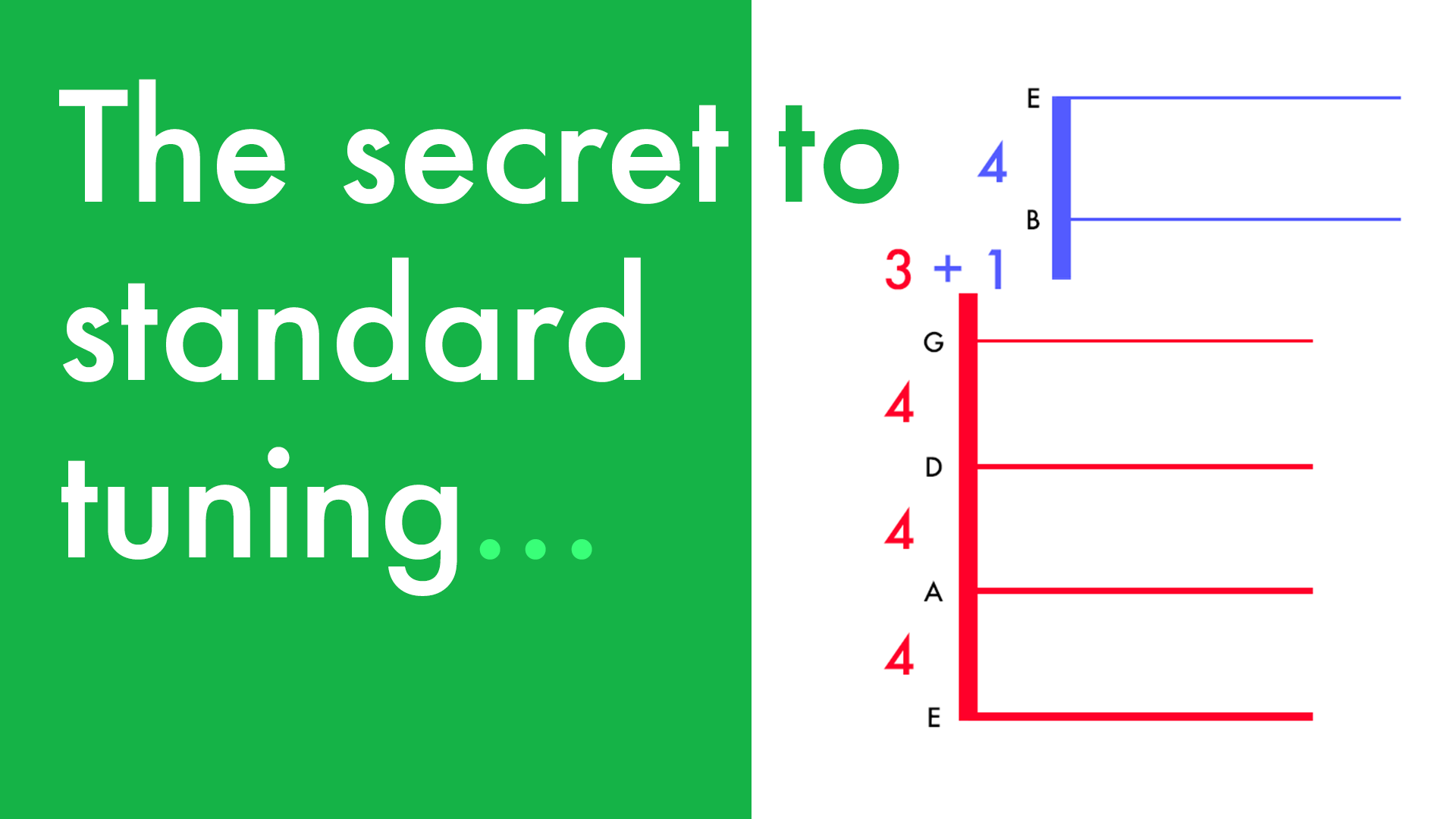
How guitarists use the B string to master standard tuning
We always aim to be as efficient as possible when playing the guitar. Trying to ‘do a lot less reaching’ is one of the reasons why having the G and B strings separated by a sneaky little third interval is such a great idea. Scales and chords are easier to play, our fingers are more centred, and we don’t have to change positions as often as we otherwise would.

Improve your stamina playing guitar solos
Stamina is a really important concept to keep in mind with all aspects of your practice. Let’s say you’re practising a guitar lick that you’re trying to get down. You probably won’t get physically tired, but you’re definitely going to get mentally fatigued if you don’t stop and take a breath between takes. Give your mind a second to recover and reset. Then try again.

Can you play the guitar in free play mode?
As a beginner guitarist, learning something new might take a lot of focus. You’ll be using all of your mental bandwidth which is pretty draining. I definitely wouldn’t call it relaxing. But if you stick with it, you’ll develop fluency with the technique and find it takes up barely any of your mental bandwidth. Now you’re able to relax into what you’re doing.

How to play: Fast Car by Tracy Chapman
In this lesson, you’ll learn how to play the fingerpicking intro to ‘Fast Car’ by Tracy Chapman. ‘Fast Car’ was released in 1988. However, this song has a timeless quality about it and it continues to be a popular tune for beginner/intermediate guitar players to learn.

How to play: Safe & Sound by Taylor Swift feat. The Civil Wars
In this lesson, you’ll learn how to play the fingerpicking intro to ‘Safe & Sound’ by Taylor Swift ft. The Civil Wars.
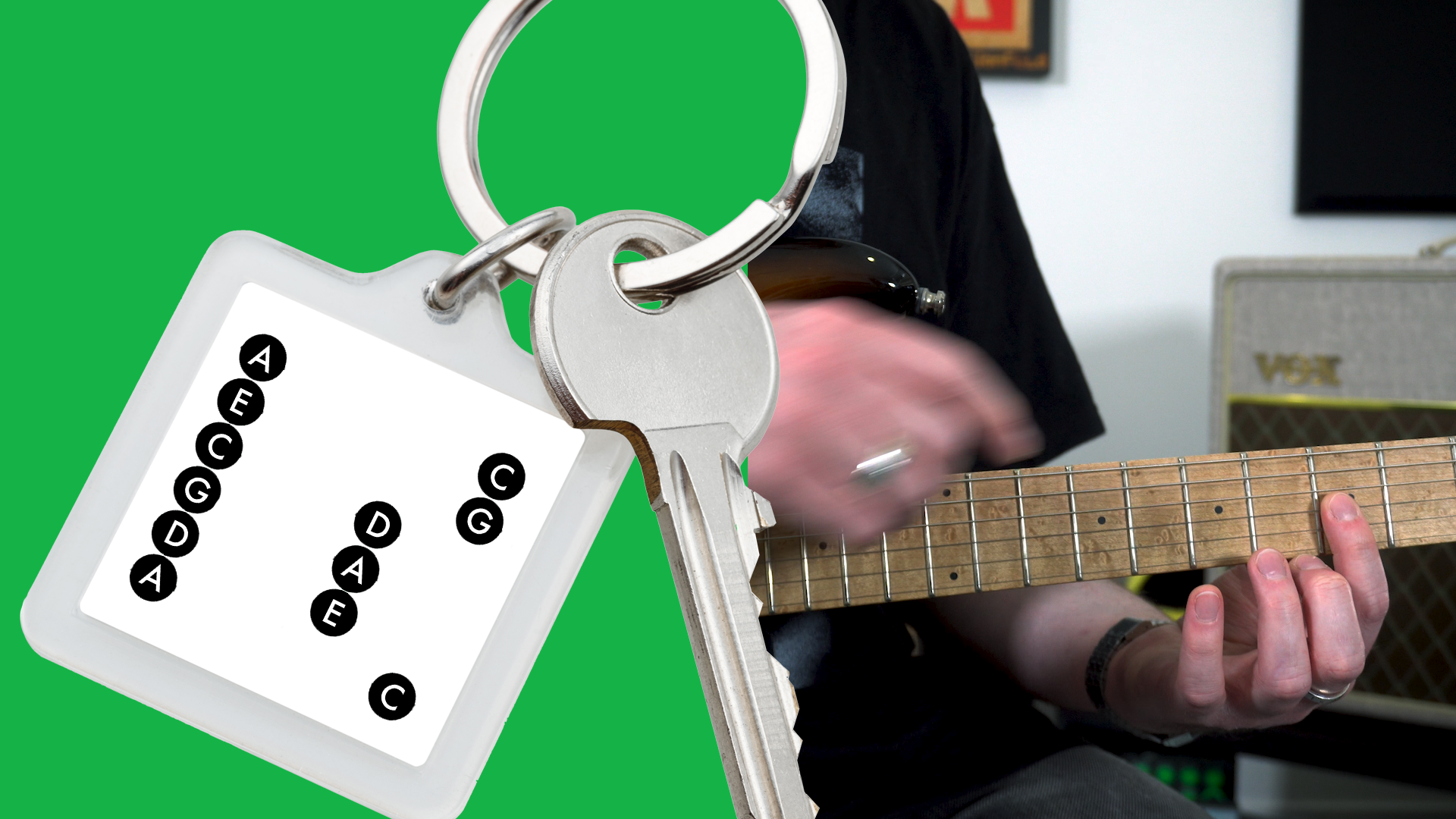
Unlock the fretboard with one pentatonic shape
With this one pattern and some minimal theory chops, you’ll be able to play the major pentatonic scale, the minor pentatonic scale, the major scale, and the minor scale anywhere on the fretboard in any key.

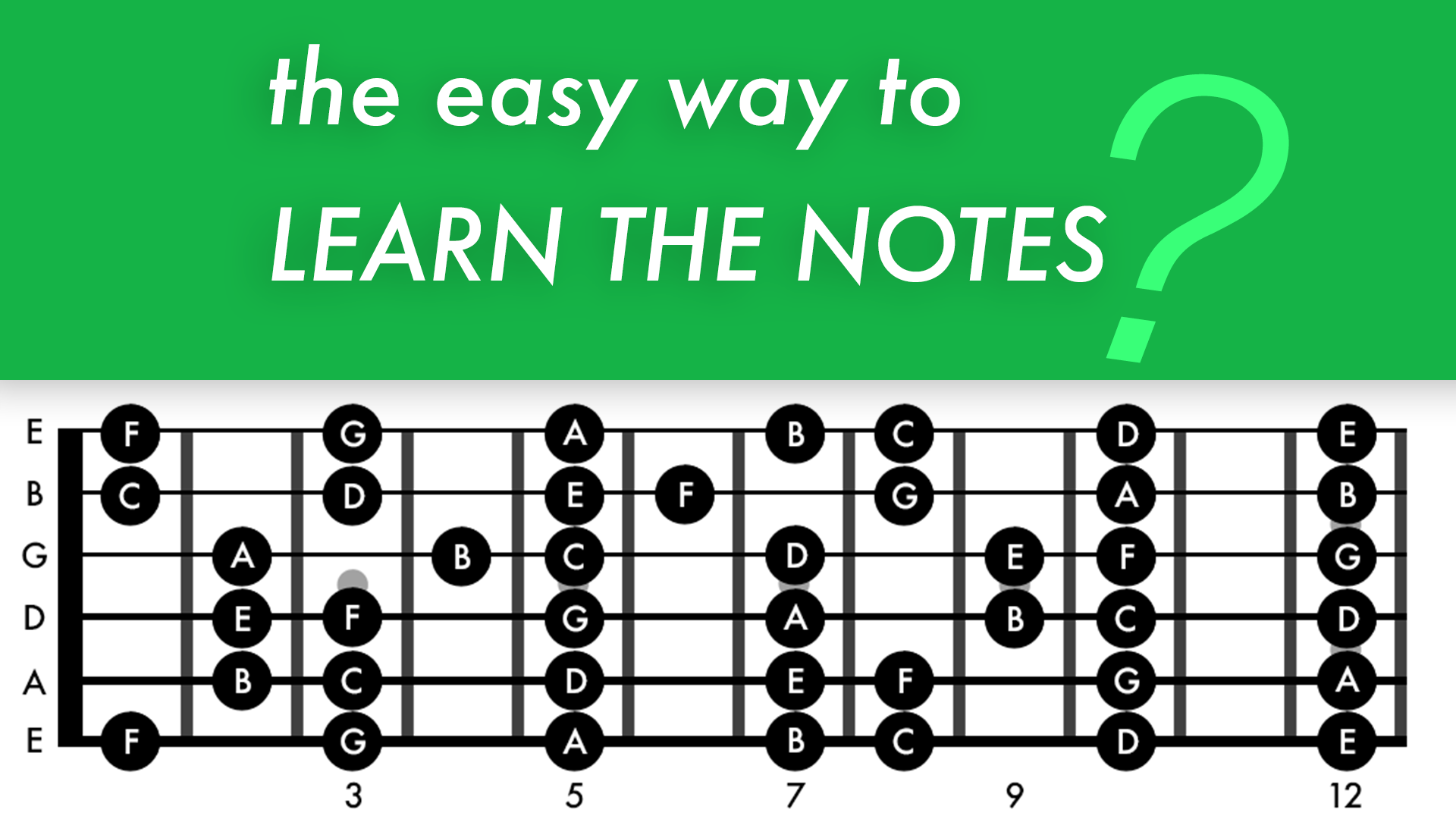
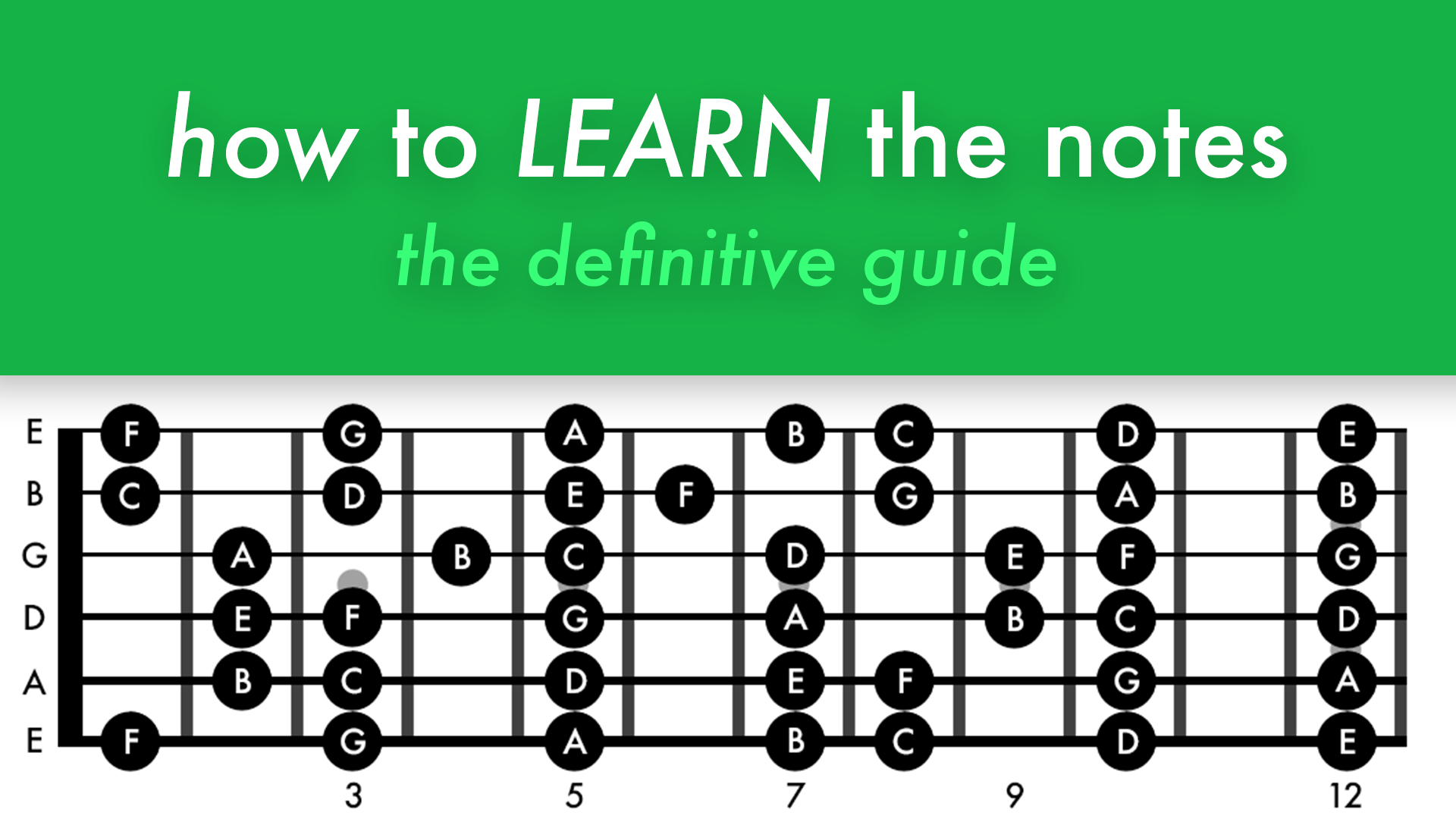
A guitarist who has learned all the notes on the fretboard: Can more effectively learn scales and chords; Has a better understanding of keys, intervals, and scale degrees; Is able to more easily memorise songs; Has a greater capacity to understand music theory; Is more effectively able to develop their aural skills; Gets ‘lost’ far less frequently when they are improvising on the guitar.