5 things beginner guitarists need to know
Most of the advice you hear as a beginner guitarist is about what to practice. However, I think the most important thing is understanding how to think about your practice.
If you’ve ever felt stuck learning the guitar, it’s probably not because you didn’t practice enough. It’s probably because you weren’t thinking about one of the five things we’re going to look at in this lesson.
1. Music is perfectly consistent
Music theory always behaves the way you expect it to in every situation. The problem is that the guitar isn’t traditionally taught in a way that reflects this.
The piano reflects music theory really clearly, which is why piano players often don’t struggle with learning and understanding music theory. Guitarists often have more trouble getting their head around what’s going on. But, the way music theory works hasn’t changed. Rather, the way they are taught to understand it on the instrument is often confusing.
If you’re learning online, you’ll eventually hear someone talking about a music theory idea that feels way out of reach. Don’t worry about it.
You only need to focus on adding the next little piece of information. Slot it in. Then add the next little bit. Before you know it, you’ll have developed enough context to get your head around more advanced ideas,
If you try to jump ahead before you’re ready, learning music theory will feel complicated and frustrating, and you’ll end up hating the process. Remember, if something doesn’t fit yet, it’s probably not useful for you right now.
2. The guitar is perfectly consistent
I get really excited about this idea. I explained how music theory is perfectly consistent. But, the guitar is also perfectly consistent. It’s just not taught that way.
If music is consistent and the guitar is consistent, then when they connect, they should connect in a consistent way.
Take A major, D major, and E major. These are three chords you learn right at the start, and they look nothing alike:



Then we’ve got A minor, D minor, and E minor:



A lot of guitarists think in terms of shapes, so they might notice that E major and A minor look the same and assume there’s a relationship. There isn’t. That’s just a coincidence.
The real relationship is the fact that you only have to adjust one note in each major chord to turn it into a minor chord:
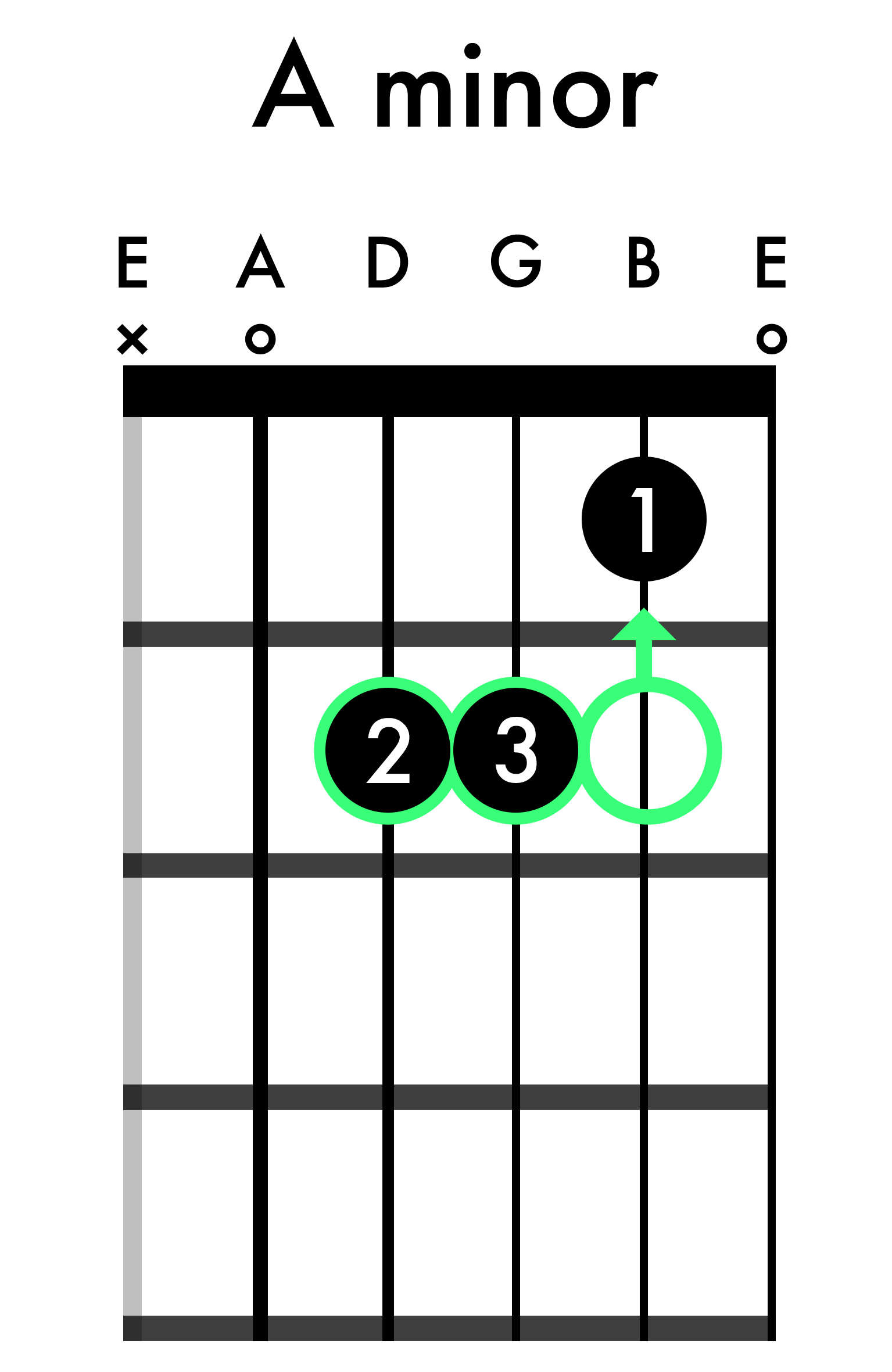
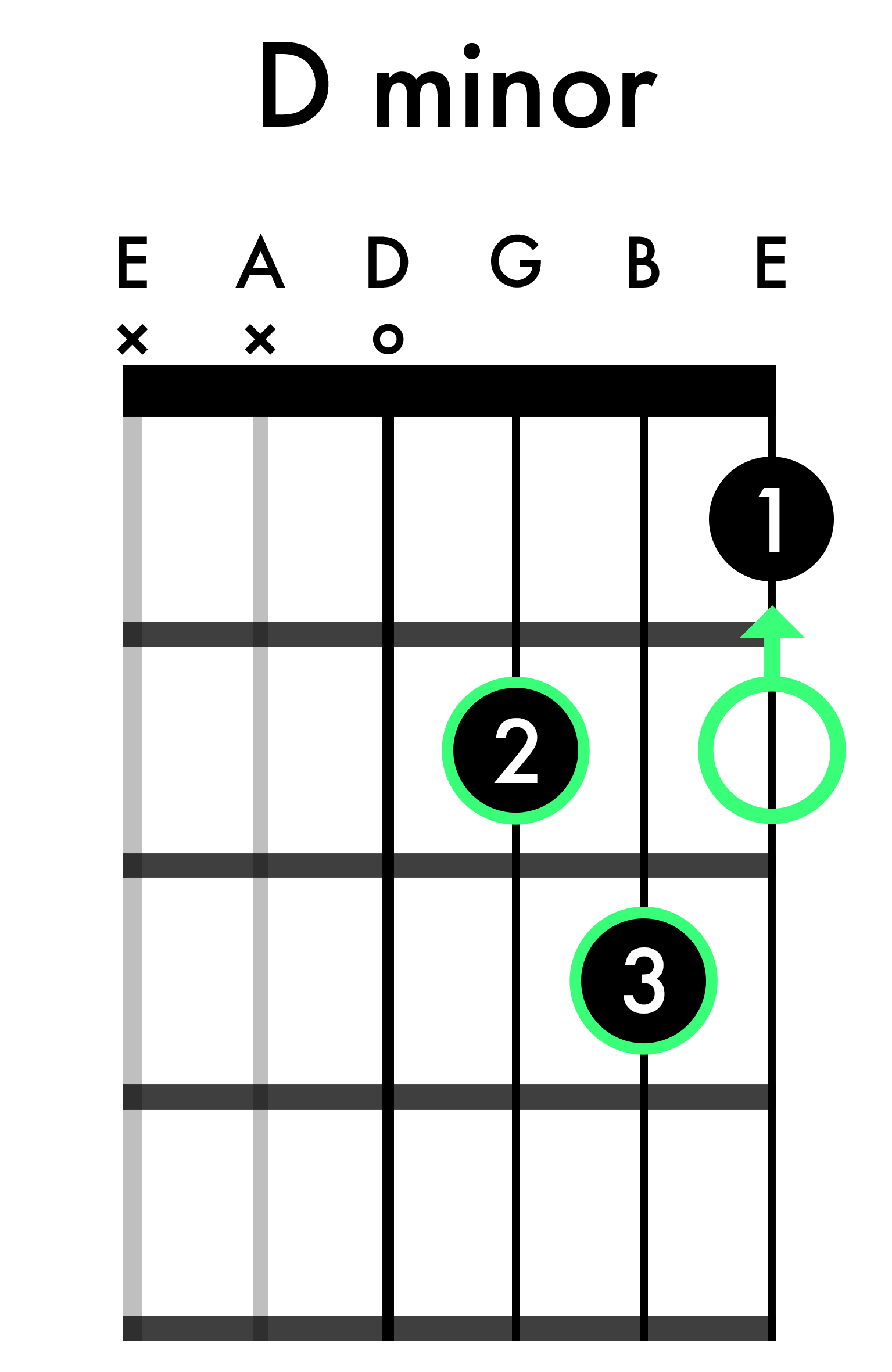
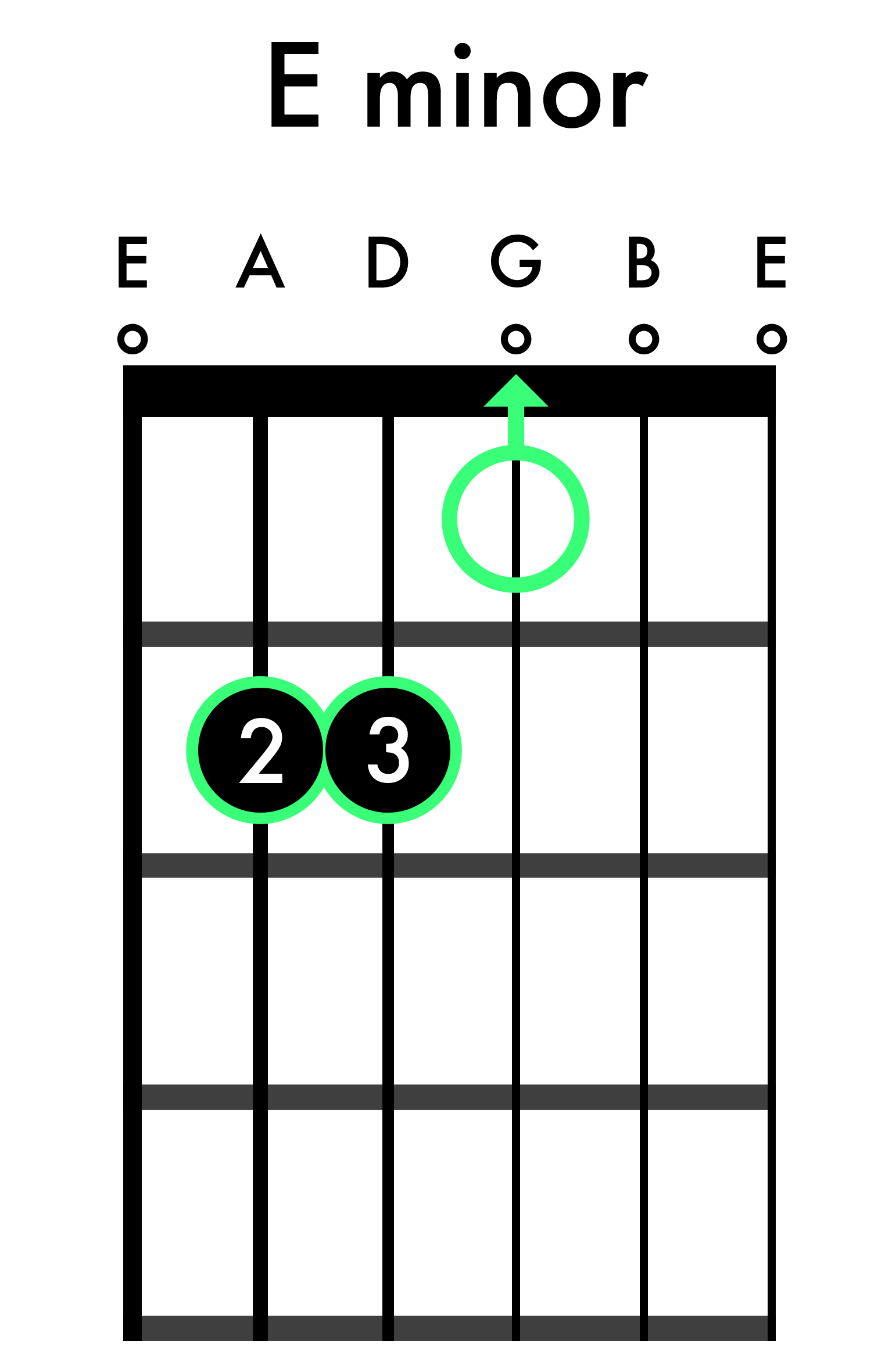
The relationship is the same every time. One note drops by one fret.
There’s a theory explanation for that, but we don’t need it right now. What matters is recognizing that music is consistent, the guitar is consistent, and those two things line up.
Shapes still exist, but shapes don’t explain music. Understanding what’s happening inside the shape lets us see connections and understand what we’re actually playing.
3. Have a clear goal for your practice
You need a clear goal for every aspect of your practice.
A classic example is what I often see happening when a new student starts practicing chords. They get their chords sounding really good, then they try to play a progression and everything falls apart. That's because they're now practicing strumming, not chords.
They needed 100% of their mental bandwidth when they were only playing chords. Now they're trying to keep their strumming going while changing chords, which might take 80% of their attention. That means they only have 20% of their mental bandwidth left to play their chords (when before they needed 100%). In this situation, it’s a given that their chords aren’t going to sound very good and that’s okay. They weren’t currently the focus of the practice session.
If your goal is to keep the strumming going through the changes and you do that, then you’ve had a great practice session, even if the chords sound rough. If you judge yourself on the wrong goal, you’ll get discouraged even when you’re doing well.
Always know what you’re goal is any time you sit down to practice.
4. Mistakes are your friend
We don’t care about mistakes. Mistakes are a to do list. They show use where we need to focus.
We don’t want to keep making the same mistake over and over though. I use what I call the 2/10 Rule. If you mess something up more than two times out of ten, you’re probably not practicing it well and you’re training bad muscle memory.
Mistakes don’t mean you’re bad. They show you what needs attention. If you don’t know how to fix something, that’s where a teacher helps. They can give you the tools you’ll need to fix the mistake.
Be your own biggest critic, but in a good way. Ask yourself if something was as good as it could be. It never is, and that’s fine. Then ask yourself what you’d need to do to make it better. If you can answer that question, you now have the roadmap for what you need to practice.
5.Integrate your three types of understanding
Understanding beats memorisation every time.
We have three types of understanding: Intellectual, Physical, and Aural
Intellectual understanding is what’s happening in your brain, including music theory and how you think about the movements you make when you play.
Physical understanding is the muscle memory you develop.
Aural understanding is what you hear.
Beginners often have more intellectual understanding than physical understanding. They know what they’re supposed to play, but their body can’t do it yet. That doesn’t mean they have no rhythm or that they’re bad. It just means those things have been integrated.
Our goal with any type of practice is to bring these three types of understanding together.
Keep these five things in mind
Remember these 5 key ideas when you're starting out and you'll set yourself up for success on the guitar:
Music is perfectly consistent.
The guitar is perfectly consistent.
Have a clear goal for your practice.
Mistakes are your friend.
Integrate your three types of understanding.